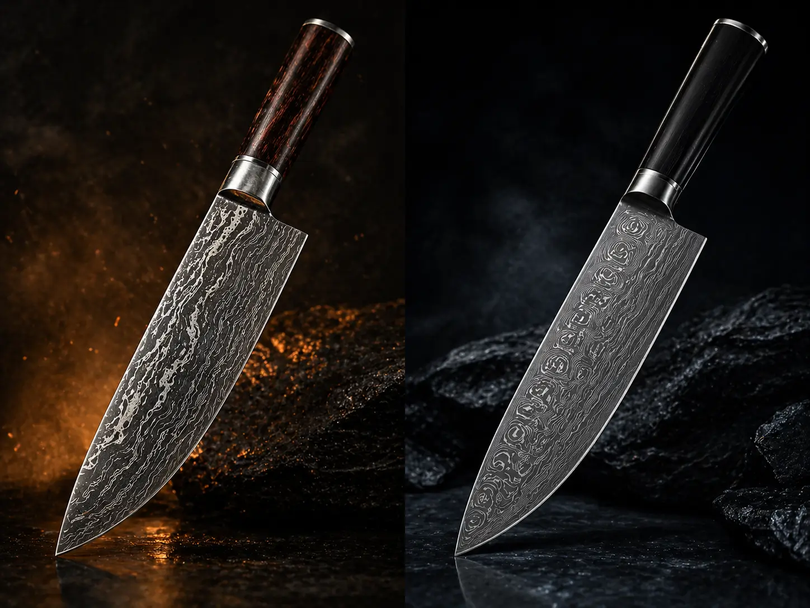

A knife might look spectacular under studio lights, but its true character becomes apparent under everyday conditions. Humidity, dust, storage, repeated handling, and temperature fluctuations can all affect how well a knife holds up over time. That is why Damascus knives deserve attention beyond just their distinctive patterns.
While the surface may catch the eye first, a truly useful knife also relies on materials, construction, maintenance, and a design suited to its intended role. Outdoor enthusiasts often appreciate products that combine attractive styling with realistic performance expectations.
The difference between an eye-catching object and a capable tool lies in how well its features meet the demands placed upon it. A knife intended for occasional display has different priorities than one designed for regular outdoor use. Understanding this distinction makes it easier to appreciate the full character of a Damascus knife.
Damascus Knives: More Than Just a Statement Piece for Outdoor Activities
Outdoor gear often needs to be practical before it can impress. Comfortable handling, proper blade geometry, reliable construction, and manageable maintenance are far more important than decorative features.
Damascus knives occupy an interesting niche in this space because they combine functional design with visually striking steel. Some models are crafted for practical use, while others are intended primarily for collections or display. The name alone does not tell the buyer which category a specific knife falls into.
A suitable outdoor knife should be evaluated based on its intended tasks. Blade shape, handle comfort, dimensions, sheath construction, and steel properties all need to be considered. A knife designed for light utility work may not be suitable for heavy-duty tasks outside its intended scope. The appeal of Damascus knives is enhanced when their visual design is backed by practical construction. A dramatic surface finish is a bonus, not a substitute for a well-crafted tool.
Changing Conditions Highlight the Importance of Steel Quality
Outdoor environments can expose blades to water, humidity, dirt, and temperature fluctuations. These conditions make the choice and maintenance of steel crucial, especially for knives made from materials prone to corrosion if neglected.
Some modern Damascus knives utilize layered steels with varying properties. A knife’s corrosion resistance depends on the specific steel types used, as well as how the blade is finished and maintained. It is inaccurate to assume that every patterned knife performs identically simply because they share the same name.
Owners should follow the manufacturer’s care recommendations. Cleaning off debris, thoroughly drying the blade, and storing it in a suitable environment can help minimize the risk of corrosion. Leather sheaths also require careful handling, as trapped moisture can affect the blade.
Buyers who prefer low-maintenance gear should consider these requirements before purchasing. A beautiful knife may be a joy to own, but its maintenance needs should align with the owner’s habits and intended use.
Cowboy Knives and the Appeal of Rugged Simplicity
The image of the cowboy knives are deeply linked to practical gear and Western heritage. Traditional designs often emphasize simple silhouettes, sturdy-looking handles, and a style that complements other outdoor equipment.
This rugged aesthetic contrasts with the intricate visual character of patterned steel, yet the two can complement each other beautifully. A Damascus knife with a Western-inspired design can blend a detailed blade finish with traditional elements like wood, leather, and metal fittings.
For outdoor enthusiasts, the appeal lies in this combination of distinctive character and practical utility. However, a rugged appearance does not automatically make a knife suitable for heavy-duty tasks. Its materials and construction must support its intended use.
When comparing “cowboy” knives with other styles, consider how the knife will actually be used. Factors such as handle comfort, sheath security, blade design, and maintenance requirements provide more meaningful information than mere aesthetics. Local laws regarding ownership and carry should also be checked before purchasing.
The Importance of a Comfortable and Balanced Design
A knife’s handling characteristics are easily overlooked when attention is focused on the blade’s appearance. However, the relationship between the handle, the blade, and the overall weight can significantly impact the user experience.
A knife handle should feel comfortable in the hand, provide a secure grip, and suit the knife’s intended use. The material should also be appropriate for the environment in which the knife will be used and the required maintenance routine. Some buyers prefer traditional wood for its natural aesthetic, while others value the consistency or weather resistance offered by modern materials.
Balance and geometry also play a role in the overall design. A well-finished product feels thoughtfully designed rather than merely decorated. Uneven finishes, uncomfortable handle edges, or imprecise components can detract from the quality of an otherwise appealing knife.
Damascus knives come in various sizes and configurations, so buyers should not assume that a single style suits every situation. The best designs offer both user comfort and performance aligned with the knife’s primary function.
Why Maintenance Should Be Part of the Purchasing Decision
Purchasing decisions should take into account the time and attention required to keep the knife in prime condition. Some owners enjoy cleaning, inspecting, and maintaining traditional materials, while others prefer tools that do not require intensive routine care.
Damascus knives may require more meticulous care if the steel type is prone to corrosion. This does not mean the knife is unsuitable for practical use; rather, owners need to understand the material’s characteristics instead of assuming all steel types are maintenance-free.
Product descriptions should provide material information as clearly as possible. If a seller offers limited details regarding steel composition, heat treatment, or maintenance guidelines, it becomes difficult to assess whether the knife is suitable for a specific environment.
It is also wise to check the sheath material and storage recommendations. Sheaths that trap moisture can cause problems if the knife is stored while wet. Properly cleaning the knife and storing it in a dry place are simple habits that help preserve its appearance and quality. These details may seem less exciting than the stunning blade patterns, yet they all contribute directly to your experience as an owner.
Practical Value Matters More Than Alluring Advertising
A high price tag or lavish product photos do not automatically guarantee superior knife quality. Quality depends on materials, the manufacturing process, the finish, and the suitability of the design. A more affordable option might offer better value if it meets the buyer’s needs and is backed by honest product information.
When evaluating Damascus knives, compare details regarding the steel type, blade dimensions, construction specifics, seller reputation, return policies, and offered warranties. Customer reviews can be useful if they discuss real-world ownership experiences, but general claims of extraordinary durability should be approached with caution unless supported by credible details.
Buyers should also distinguish between blades intended for decoration and those marketed for regular use. Collectibles may prioritize artistic, intricate aesthetics, whereas functional knives should be judged based on practical characteristics. Neither category is inherently superior; the right choice depends on the user’s expectations.
The same applies to cowboy-style knives. Western-themed ornamentation may add character, but it should not distract from the quality of the knife itself.
Damascus Knives for Those Who Appreciate Functional Craftsmanship
A carefully designed tool can offer both utility and exceptional visual appeal. It is this combination that makes Damascus knives sought after by those who desire something beyond the ordinary look of mass-produced items.
The steel’s distinctive patterning provides unique character, while its practical value relies on meticulous construction and the right choice of materials. Understanding this balance allows buyers to appreciate the design without assuming that appearance alone guarantees performance.
Knives intended for outdoor use must be suited to their purpose, maintained according to their material type, and used in compliance with applicable local regulations. Even display knives should be selected with careful attention to their construction and authenticity, despite their primary role as decorative pieces.