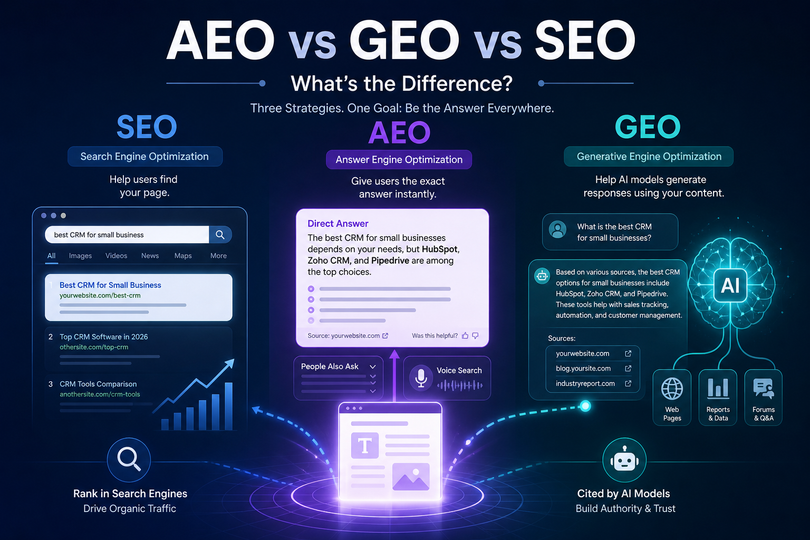

Are you wondering whether learning SEO can still help you earn money online? Stay calm, because search habits may change, but websites and businesses still need visibility, useful content, technical improvement, and qualified visitors.
SEO now covers traditional search results, local search, ecommerce discovery, and newer generative search experiences. Google also confirms that established SEO practices remain relevant for its generative search features.
This guide answers is SEO still a valuable skill for online earning? and explains the career paths, earning methods, important skills, and practical steps that can help beginners move forward.
Is SEO Still a Valuable Skill for Online Earning?
SEO remains useful because people continue to search for information, products, services, and local businesses. Professionals who can improve website visibility and connect search traffic with business goals can use these skills in several ways.
Here are the main reasons:
- Businesses Still Need Search Visibility
- SEO Supports Freelance Work
- Companies Hire SEO Professionals
- Content Websites Need Optimization
- Local Businesses Need SEO Support
- Ecommerce Stores Depend on Search
- SEO Complements Modern Search Technology
- Practical Skills Create Multiple Services
- SEO Supports Personal Online Projects
- Results Can Build Long-Term Client Work
- SEO Connects With Other Marketing Skills
- Continuous Learning Creates Career Growth
1. Businesses Still Need Search Visibility
Businesses need customers to find their websites when they search for products, services, and useful information. SEO helps search engines crawl, index, and understand those website pages. It also helps companies organize content around the questions that potential customers ask.
A business may have an attractive website but still receive little traffic when its pages remain unclear or technically weak. SEO professionals can identify these problems and recommend practical improvements. They can also help the company attract visitors who already show interest through their searches.
Google describes SEO as work that helps search engines understand content and helps users decide whether they should visit a website.
Businesses may need help with:
- Website visibility
- Keyword targeting
- Content planning
- Technical problems
- Local search
- Conversion-focused pages
2. SEO Supports Freelance Work
SEO offers several services that freelancers can provide without joining a full-time company. A beginner may start with keyword research, blog optimization, content briefs, or basic website audits. These smaller services can help the freelancer build experience before handling larger campaigns.
Clients often need support for a fixed task, monthly project, or website launch. Clear deliverables make it easier to price and manage each project. Freelancers can work with local businesses, agencies, bloggers, ecommerce stores, and international clients.
People asking is SEO course worth it should judge a program by its practical assignments, trainer support, updated lessons, and portfolio opportunities rather than the certificate alone.
Freelance SEO services may include:
- Keyword research
- On-page optimization
- Website audits
- Local SEO
- Content briefs
- Monthly reporting
3. Companies Hire SEO Professionals
Many businesses manage websites, blogs, product pages, and digital campaigns. These companies need people who understand search intent, content quality, technical performance, and website data. Entry-level professionals may support research, optimization, reporting, outreach, or local SEO.
Experience often matters more than memorized definitions during practical hiring tests. A candidate should know how to inspect a page, identify a problem, and explain a safe solution. Strong communication also helps SEO professionals work with writers, designers, developers, and managers.
SEO knowledge can support roles inside marketing agencies, software companies, ecommerce brands, publishers, and local businesses.
Common SEO roles include:
- SEO Intern
- Junior SEO Executive
- Content SEO Specialist
- Local SEO Assistant
- Technical SEO Analyst
- SEO Project Coordinator
4. Content Websites Need Optimization
Blogs, news sites, educational platforms, and affiliate websites need useful content that people can discover. SEO helps publishers research topics, understand search intent, organize articles, and improve internal links. It also helps them update old pages that lose relevance or contain outdated information.
A successful content website needs more than a large number of articles. Each page should answer a clear question and provide information that offers real value. Google advises publishers to create helpful, reliable, people-first content instead of producing pages mainly to influence rankings.
Writers who understand SEO can offer content planning and optimization as separate paid services.
Content SEO work may include:
- Topic research
- Article outlines
- Search intent checks
- Content optimization
- Internal linking
- Old content updates
5. Local Businesses Need SEO Support
Local businesses want nearby customers to find their services. Clinics, restaurants, training centres, repair companies, property agencies, salons, and shops can all benefit from stronger local visibility. SEO professionals can improve business information, location pages, local keywords, and customer review strategies.
Local clients may offer a useful starting point for new freelancers. You can study a business website, identify one clear issue, and suggest a focused service. Local SEO also produces outcomes that business owners understand, such as calls, bookings, enquiries, and store visits.
A clear local strategy connects website content with the needs of people in a specific area.
Local SEO tasks may include:
- Local keyword research
- Business profile improvement
- Location page planning
- Contact detail checks
- Review strategies
- Local competitor research
6. Ecommerce Stores Depend on Search
Online stores need customers to discover product and category pages. SEO professionals can improve product titles, descriptions, categories, internal links, structured information, and technical performance. They can also help stores target searches that show buying or comparison intent.
Ecommerce SEO requires careful attention because large stores may contain thousands of URLs. Filters, duplicate pages, missing products, and slow loading can create serious problems. Clear product information also helps customers compare options and make decisions.
Modern search experiences can display products and merchant information, so accurate website and product data remain important.
Ecommerce SEO services include:
- Product keyword research
- Category optimization
- Product page improvement
- Duplicate-page checks
- Internal linking
- Technical store audits
7. SEO Complements Modern Search Technology
Search now includes traditional result pages, maps, shopping results, videos, images, and generated answers. These changes do not remove the need for SEO. They increase the number of formats and experiences that professionals need to understand.
Google states that its generative search features rely on core Search ranking and quality systems. It recommends strong technical foundations, crawlable pages, and unique, useful content for visibility in both traditional and generative search.
SEO professionals should learn how content appears across newer search experiences without chasing unsupported tricks. Strong fundamentals give them a better base for adapting to future changes.
SEO continues to develop instead of disappearing.
Modern SEO may cover:
- Traditional search results
- Local search
- Product discovery
- Image and video search
- Generated answers
- Brand citations
8. Practical Skills Create Multiple Services
SEO does not depend on one service or earning method. A professional can combine research, content, technical work, local optimization, and reporting. This flexibility allows learners to choose an area that matches their interests and abilities.
A writer may specialize in SEO content, while a technical learner may focus on audits and website performance. Another person may serve local businesses or online stores. Specialization can make a service easier to explain and sell.
Beginners should develop one strong service before offering every possible solution.
SEO specializations include:
- Keyword research
- Content SEO
- Technical SEO
- Local SEO
- Ecommerce SEO
- SEO analytics
9. SEO Supports Personal Online Projects
SEO skills can help people grow their own websites instead of working only for clients. A learner may create a blog, service website, niche publication, ecommerce store, or professional portfolio. Personal projects provide a safe place to test ideas and review results.
These projects can also become portfolio examples for future jobs or freelance work. You can show how you selected keywords, improved pages, fixed problems, and tracked performance. However, personal websites do not guarantee quick income.
A useful project needs focused content, patience, regular updates, and a clear way to create value.
Personal SEO projects may include:
- A niche blog
- A service website
- An affiliate site
- A local directory
- An online store
- A professional portfolio
10. Results Can Build Long-Term Client Work
SEO often requires ongoing review and improvement. A client may first hire a freelancer for keyword research or a small audit. Strong work can later lead to content optimization, technical checks, monthly reporting, and wider strategy.
Long-term relationships can create more stable income than constantly finding new one-time projects. Freelancers need to communicate clearly, meet deadlines, and explain results honestly. They should never guarantee a particular ranking because many factors affect search performance.
Reliable service gives clients a reason to continue the relationship and recommend the freelancer to others.
Long-term SEO work may include:
- Monthly website checks
- New content planning
- Old page updates
- Ranking reviews
- Technical monitoring
- Performance reports
11. SEO Connects With Other Marketing Skills
SEO works closely with content writing, web development, analytics, public relations, social media, and paid advertising. Learning these connections can increase the number of services that a professional offers. It can also help them understand the complete customer journey.
For example, keyword research can guide blog posts, advertisements, landing pages, and social content. Website data can show which topics attract visitors and which pages generate enquiries. Technical knowledge can help marketers communicate more clearly with developers.
SEO often becomes more valuable when a learner combines it with one supporting skill.
Useful supporting skills include:
- Content writing
- Web analytics
- WordPress management
- Conversion optimization
- Digital public relations
- Client communication
12. Continuous Learning Creates Career Growth
SEO changes as search systems, websites, competitors, and customer behaviour develop. Professionals need to review official guidance, test ideas carefully, and update old working methods. This regular learning can create opportunities for specialization and career progress.
Beginners can use free resources before choosing paid training. The Learn to Earn with GA YouTube channel currently provides SEO, blogging, and freelancing lessons, including a free SEO course playlist in Urdu and Hindi. Learners should use the channel for structured practice, complete the exercises, and compare the lessons with official search documentation.
Watching videos alone will not build professional ability, so students should apply each lesson to a real or practice website.
Continuous learning should include:
- Official search guidance
- Practical website work
- Industry case studies
- Regular skill reviews
- Portfolio projects
- Performance measurement
How to Turn SEO Skills Into Online Income
SEO knowledge creates earning opportunities when you connect it with practical work and clear services. Start small, build proof, and improve your offer as you gain experience.
- Learn the foundations: Understand crawling, indexing, search intent, keywords, content, links, and technical performance.
- Choose one service: Start with a skill that you can complete confidently and explain clearly.
- Build a practice website: Apply lessons to real pages and record every important change.
- Create portfolio samples: Show audits, keyword plans, optimized content, and simple reports.
- Approach local businesses: Find clear website problems and offer focused solutions.
- Create freelance profiles: Describe your service, process, deliverables, and relevant experience honestly.
- Send personal proposals: Explain one real business problem instead of sending copied sales messages.
- Set clear prices: Base your fee on the project scope, time, difficulty, and number of revisions.
- Request written agreements: Record tasks, deadlines, payments, access, and responsibilities.
- Report results simply: Connect SEO work with traffic, enquiries, bookings, or sales.
- Ask for testimonials: Request honest feedback after completing successful work.
- Add services gradually: Expand your offer when practical experience supports the new skill.
Common Mistakes That Limit SEO Earnings
SEO can support online income, but weak working habits can reduce opportunities. Avoid these mistakes as you build your skills and professional reputation.
- Expecting instant income: Learning, practice, outreach, and trust-building require time.
- Collecting courses without practising: Clients need proof that you can complete real tasks.
- Offering every SEO service: Start with a focused service that matches your current skills.
- Guaranteeing rankings: No honest professional can control every factor that affects search positions.
- Using outdated tactics: Review current official guidance before applying an old method.
- Ignoring search intent: Traffic provides little value when the page attracts the wrong visitors.
- Buying weak backlinks: Low-quality links can waste money and damage client trust.
- Depending only on tools: Software provides data, but professionals must interpret it carefully.
- Sending copied proposals: Personal messages usually create stronger conversations.
- Ignoring communication: Clients need clear updates, expectations, and reports.
- Tracking traffic only: Connect SEO performance with useful business actions.
- Stopping your education: Search practices continue to develop, so professionals must keep learning.
Final Note
In this guide, we have covered Is SEO Still a Valuable Skill for Online Earning?, including freelance work, employment, content websites, local businesses, ecommerce, personal projects, and modern search experiences.
In my experience, SEO remains valuable for people who develop practical skills instead of depending on quick tricks. A course or video series can provide direction, but real projects build confidence and professional judgement. The strongest earners connect SEO tasks with clear business results and communicate their value honestly.
Start with the basics, practise consistently, and build one reliable service at a time. Good luck with your SEO career, and take care!